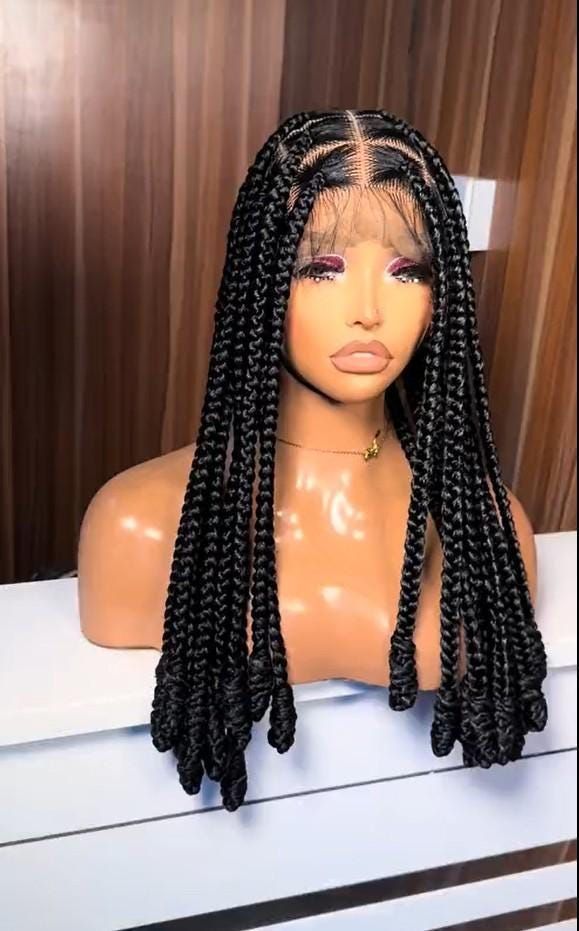
Fusion Braiding: Blending Cultural Techniques for Original Art
Modern hair artistry thrives on respectful fusion. Combine Scandinavian five-strand braids with West African feed-in techniques to create dimensional crowns. Marry Dutch braiding (inverted three-strand) with Japanese hair taping (using ribbon as a fourth element). One emerging style is the “Mermaid Lattice”: start with French braids from each temple, cross them at the back, then transition into a fishtail braid down the length. Another fusion idea: create a base of cornrows in a spiral pattern, then weave loose, thin ropes of hair through the rows like a basket. Document your fusion successhairbraidingmd.com designs with photos from multiple angles—this builds a signature portfolio. Always credit traditional techniques when sharing online; inspiration becomes art when you acknowledge roots. The most innovative artists study braiding history to understand why techniques work, then experiment with strand counts and crossovers to invent new patterns.
Editorial Styles: High-Impact Looks for Competitions and Photoshoots
For hair artists seeking recognition, editorial braiding pushes boundaries. Try “Suspended Braids”: create individual three-strand braids but leave 2-inch gaps between each braided segment, securing the gaps with invisible wire or clear elastics. Another editorial trick is “Negative Space Braiding”: braid only the perimeter of the head, leaving the center in loose waves or a sleek ponytail. For dramatic volume, backcomb hair at the roots before braiding, then braid loosely and pancake heavily—the result is a soft, oversized rope braid. Color blocking also elevates editorial work: section hair into quadrants, braid each quadrant with a different solid-colored extension (red, black, gold, white), then combine all four into a single massive braid. Use styling glue for flyaways and photograph with directional lighting to highlight texture. These looks aren’t meant for daily wear but demonstrate technical mastery and creativity, essential for building a reputation.
Bridal and Event Braiding: Romantic Textures and Delicate Accents
Clients booking weddings and galas want elegance with durability. The “Waterfall Braid Twist” is a current favorite: start a waterfall braid (dropping the bottom strand each crossover) but after dropping, twist the strand loosely before letting it fall. This creates soft loops that look like flowing water. For updos, try the “Braided Chignon Base”: create 6–8 small inverted braids starting at the crown, gather all ends at the nape, twist into a bun, and pin. Add fresh baby’s breath or small silk flowers woven between braid sections for a romantic touch. For long events, use a strong-hold hairspray that dries invisible and apply antiperspirant spray to the nape and hairline before braiding—this prevents sweat-induced frizz. Always do a trial run one week before the event to test product reactions and braid longevity. Bridal braiding commands premium pricing (often $150–$300) because it requires patience, perfectionism, and the ability to work under pressure.
Digital Portfolio Building: Angles, Lighting, and Process Videos
To attract clients and collaborators, modern hair artists must document effectively. For photos, shoot against a neutral background (gray or cream) using natural window light from a 45-degree angle. Capture five standard shots: front facing, both sides, back, and a close-up of the most intricate section. For videos, record a 15-second “transformation” clip—from raw hair to finished braid—sped up 4x. Post process details in captions (time taken, products used, hair type). Create a recurring series like “Braider’s Choice” where you redesign a single model’s hair monthly using different techniques. On social media, use hashtags strategically: #hairartistry, #braidstyles, #modernbraiding. Engage with other artists by commenting on their tension or parting techniques—community builds reputation faster than solo posting. A strong portfolio with 20+ diverse braided looks opens doors to brand collaborations, salon guest spots, and teaching opportunities.
Teaching Others: Workshops, Tutorials, and Mentorship
Sharing knowledge cements your status as a modern hair artist. Start with micro-workshops (2 hours, 5 students) focusing on one technique like knotless braids or stitch braids. Provide mannequin heads pre-sectioned to save time. Teach tension by having students practice on a sponge roller before human hair. Create downloadable PDF guides with step-by-step line drawings for each braid type. For online tutorials, invest in a ring light and overhead tripod—film your hands from above while explaining “why” behind each move, not just “how.” Offer a free 15-minute consultation to new braiders via Zoom to review their work. Mentorship builds loyalty; pair advanced students with beginners for practice sessions. As you teach, you’ll refine your own techniques because explaining forces clarity. Many successful braiders earn 30–50% of their income from education services, not just styling. Remember: the best artists are also the best communicators.